Why New Starters in Safety-Critical Operations Struggle in the First Two Weeks
Category
Views
Published Date

Chris Chart
Founder
Summary
New workers in safety-critical operations are at their highest risk in the first two weeks on site — not because they don't know the rules, but because they don't yet know the environment. Here's why that distinction matters, and what it costs when it goes unaddressed.
Share this article
The first two weeks of a new job are rarely the most productive. Anyone who has started somewhere unfamiliar knows the feeling. The slightly slower pace, the uncertainty about where things are, the reluctance to act without checking first. In most workplaces, that adjustment period is an inconvenience. In safety-critical environments, it is something more serious.
In rail freight depots, industrial facilities and logistics operations, the early weeks of employment are when incident risk is at its highest. Not because new workers are careless. Because they are operating in an environment they do not yet understand well enough to move through with confidence.
This article looks at what is actually happening during that period, why it costs more than most operators account for, and what better pre-arrival preparation can realistically change.
The first two weeks carry disproportionate risk
Most incidents in safety-critical industries do not happen to workers who have been on site for years. They happen to people who are still finding their feet.
HSE data has consistently shown that newer workers are significantly more likely to be involved in workplace incidents than their longer-serving colleagues. The injury rate in the first months of employment sits well above the industry average across manufacturing, logistics and transport sectors. Some estimates put the risk for workers in their first year at two to three times that of experienced staff doing the same role.
This is not a new observation. But the way most organisations respond to it has not changed much. The instinct is to treat early-week risk as a training problem. Someone does not know the rules, so you give them the rules. They have not completed the induction, so you make them complete it. You add a module, update the e-learning, extend the induction checklist.
That approach addresses part of the problem. It does not address all of it.
It is not about knowledge. It is about familiarity
Most operators who have watched a new starter in their first week will recognise something that does not fit neatly into a training framework.
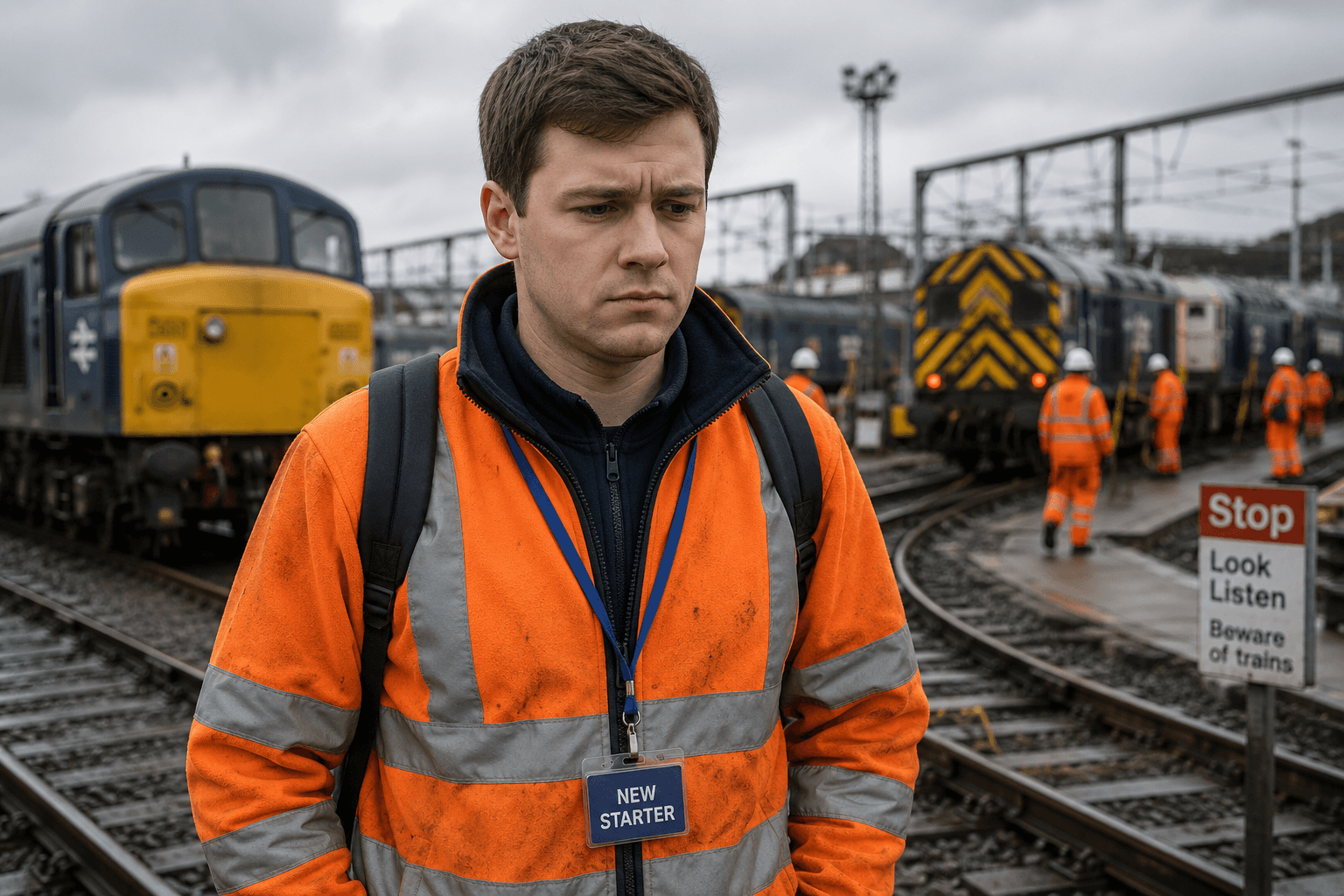
The worker knows the rules. They passed the induction. They can tell you the emergency evacuation procedure and where the first aid kit is kept. But they cannot move through the space with confidence. They are not sure which routes are shared with moving plant. They hesitate before crossing an area they have not crossed before. They scan more, move more carefully, and ask questions about things an experienced colleague would handle without thinking.
This is not a failure of the induction. It is a failure of the induction to prepare someone for the environment itself, as distinct from preparing them for the test.
Environmental familiarity is different from rule knowledge, and it takes longer to develop. Workers build a mental model of a site through repeated exposure. They learn where things actually are, how the space flows, which areas need extra attention and which risks are routine. That understanding does not come from a document or a video. It comes from time spent in the space.
In most operations, the first two weeks are when workers have spent the least time on site. Which makes them, almost by definition, the period of highest environmental uncertainty.
The supervision burden nobody measures
There is a cost to this that rarely appears in induction metrics, but one that site managers and operations directors tend to recognise immediately.
When a new starter arrives without genuine familiarity with the environment, an experienced member of staff has to compensate. That compensation is often informal, often unrecorded, and often significant.
It might look like answering basic orientation questions across a shift. Walking someone through areas they are uncertain about. Slowing down to work alongside a colleague who is not yet confident moving through the space. Catching near-misses that a more experienced worker would have avoided without intervention.
None of this shows up in training records or H&S dashboards. But the operational cost is real. A senior operative spending 90 minutes a day supporting a new starter through their first fortnight represents meaningful lost productivity. Multiply that across several new starters arriving at multiple sites across a network, and the number is not trivial.
In rail freight particularly, where experienced workers carry specific operational knowledge and are relatively hard to replace, that time has a clear value. It is time those workers are not spending on the tasks they were hired to do.
There is also a safety dimension to the supervision burden that is sometimes overlooked. An experienced worker who is partly focused on supporting a new starter is slightly less focused on their own environment. The attention is divided. In high-hazard settings, divided attention carries its own risks.
Why rail freight makes this harder than most sectors
Most industries face some version of this challenge. But rail freight depots present a specific set of difficulties.
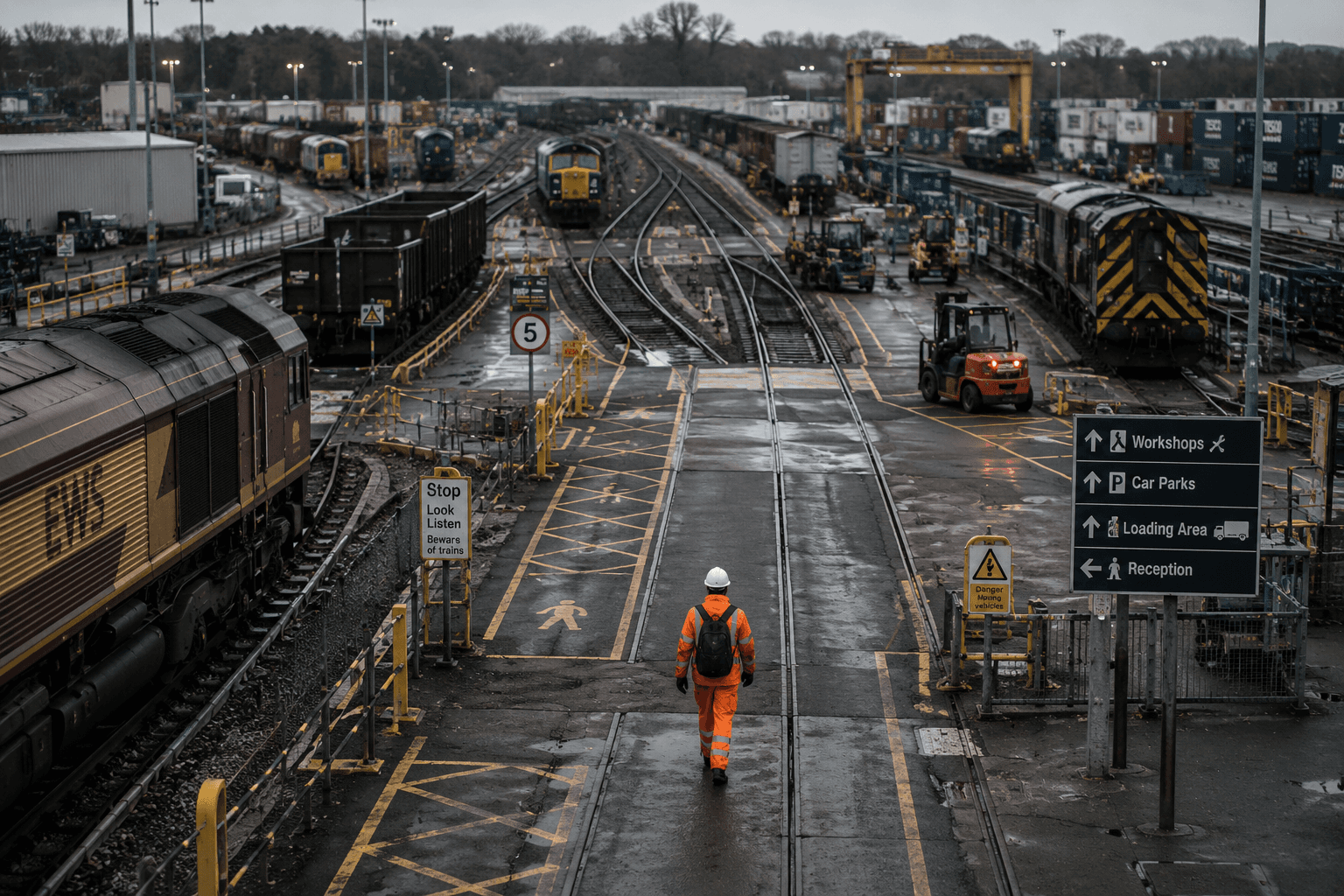
The environments are genuinely complex. A working freight depot combines trackside access, vehicle movements, heavy plant, loading equipment and varying operational layouts depending on what is being moved on a given day. The hazards are not abstract. They are tied to the physical arrangement of that particular site, and they change between depots.
A contractor who has been inducted at one operator's site and arrives at another will carry the rule knowledge that applies across the sector. They will not have any spatial understanding of how this specific depot is laid out, where the pinch points are, or which access routes require extra caution.
This matters because contractors in rail freight regularly move between sites. Each time they arrive somewhere new, they start from zero environmental awareness, regardless of how long they have been working in the industry. The generic induction covers the sector. It cannot cover the site.
Trackside workers face a different risk profile from depot-based staff, and that distinction compounds the problem. The hazards are real and serious, and the margin for slow reactions or misread spatial cues is narrow.
What the first two weeks would look like with better preparation
The question is not whether this is worth addressing. The answer is clearly yes. The question is what better preparation actually looks like.
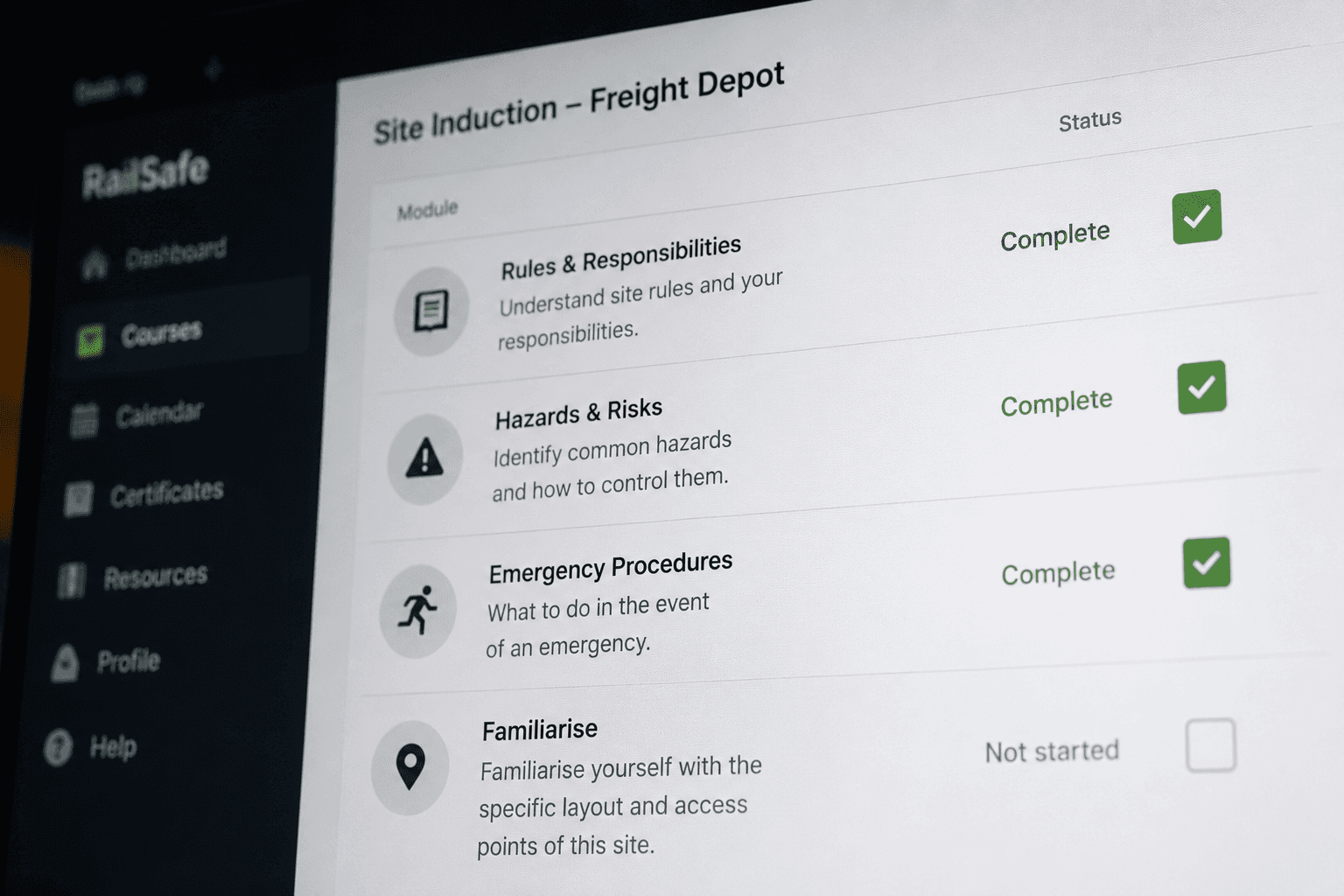
Standard online induction — module completion, policy acknowledgement, safety video — addresses the rule knowledge problem reasonably well. What it does not address is the environmental familiarity problem. A worker who has watched a video about depot safety has not developed any spatial understanding of the depot they are about to walk into. They know the rules. They do not know the space.
The practical difference this makes in week one is visible to anyone who has managed new starters across a busy site. Workers who arrive with some genuine familiarity with the environment — who have developed at least a basic mental model of where things are and how the site is organised — start with a meaningfully different baseline. They move with more confidence. They ask fewer basic orientation questions. They need less direct supervision in the earliest days.
This does not compress years of experience into a pre-arrival process. There is no shortcut to the kind of operational knowledge that comes from months of working somewhere. But it does change the starting point.
The adjustment period is shorter. The early-week risk is lower. And the supervision burden on experienced colleagues is reduced during the period when it is typically highest.
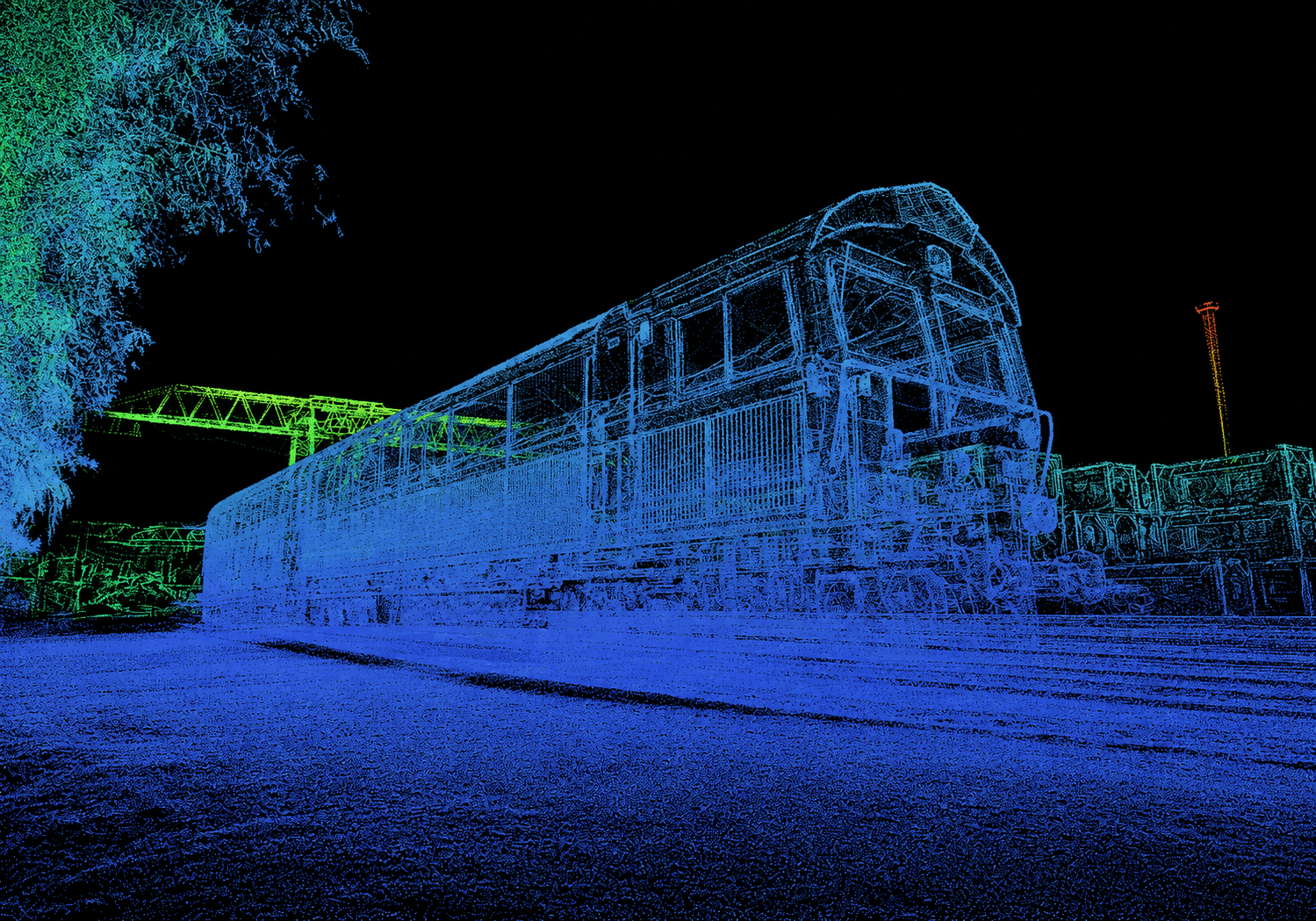
Achieving this requires preparation built around the actual environment, not the rules that govern it. Workers need to be able to explore and develop a sense of the physical space before they arrive — not a diagram, not a walkthrough video filmed from a fixed angle, but something that allows them to orient themselves, understand the layout, and arrive with a mental map rather than a blank.
The cost of accepting this as normal
There is a tendency to treat the first two weeks as a fixed cost. New starters are always slower, always less confident, always more dependent on the people around them. That is just how it is.
But that acceptance is partly a function of the tools that have been available. If the only preparation you can offer is a document pack and a safety video, you work with what you have. The first two weeks cost what they cost.
The cost is worth being clear-eyed about. It is not just the risk of an incident, though that risk is real and the consequences can be severe. It is also the supervision hours diverted from productive work, the slower output during the adjustment period, and the operational disruption that comes from a workforce that is not yet fully functional.
Better pre-arrival preparation does not eliminate that adjustment period. But it can meaningfully shorten it, and in safety-critical environments, shortening it has value that goes well beyond the training budget.
Showspace builds spatial familiarisation tools for safety-critical industries. If you are a rail freight operator or industrial organisation thinking about how to prepare workers for a site before they arrive, we would be happy to show you how it works.